Crested Butte Ski Resort addresses a growing issue of vacation spam calls during peak seasons. They partner with local authorities and spam call attorneys Colorado to educate visitors, enhance privacy policies, and implement opt-out mechanisms. Guests are advised to register for the National Do Not Call Registry, use call-blocking apps, and report suspicious calls. This multi-pronged strategy aims to restore peace of mind and ensure enjoyable vacations without unwanted interruptions.
Crested Butte Ski Resort, a renowned destination nestled in the heart of Colorado’s breathtaking landscapes, has recently issued a cautionary note to its visitors regarding a pervasive issue plaguing many travelers: vacation spam calls. As winter approaches, so does an increase in unsolicited phone calls, targeting would-be skiers and snowboarders with promises of exclusive deals and packages. This article delves into the rising concern, exploring the tactics employed by these spam call operators and offering practical advice from industry experts, including Colorado’s leading spam call attorneys, to help visitors protect their privacy and avoid potential pitfalls during their winter getaways.
Crested Butte's Fight Against Vacation Spam Calls
Crested Butte Ski Resort, a beloved destination for outdoor enthusiasts, has been grappling with an unexpected challenge that mars the enjoyment of its visitors: vacation spam calls. This growing issue has prompted the resort to take proactive measures to protect its patrons from intrusive and deceptive marketing practices. The problem is particularly acute during peak seasons when the resort’s phone lines are bombarded with automated messages and prerecorded ads, often disguised as legitimate travel offers.
The resort has partnered with local authorities and spam call attorneys Colorado to combat this burgeoning issue. These experts have identified several tactics employed by unscrupulous marketing firms, including the use of auto-dialers that bypasses voicemail systems, leaving distressing messages on guests’ phones. Such calls often claim to offer exclusive deals or threaten service disruptions if patrons don’t respond promptly. To counter these malicious practices, the resort has implemented a multi-pronged strategy. One key approach is educating visitors about the signs of vacation spam calls and providing clear guidelines on how to report them.
Additionally, Crested Butte Ski Resort has enhanced its privacy policies to make it explicitly clear what data is collected and how it’s used. They’ve also introduced opt-out mechanisms during check-in procedures, allowing guests to avoid receiving unsolicited marketing materials. By combining awareness campaigns, stricter data protection measures, and legal assistance from spam call attorneys Colorado, the resort aims to restore peace of mind for visitors while ensuring they can enjoy their time in this picturesque mountain haven without the annoyance of unwanted calls.
Understanding Ski Resort Spam: Rights and Resources
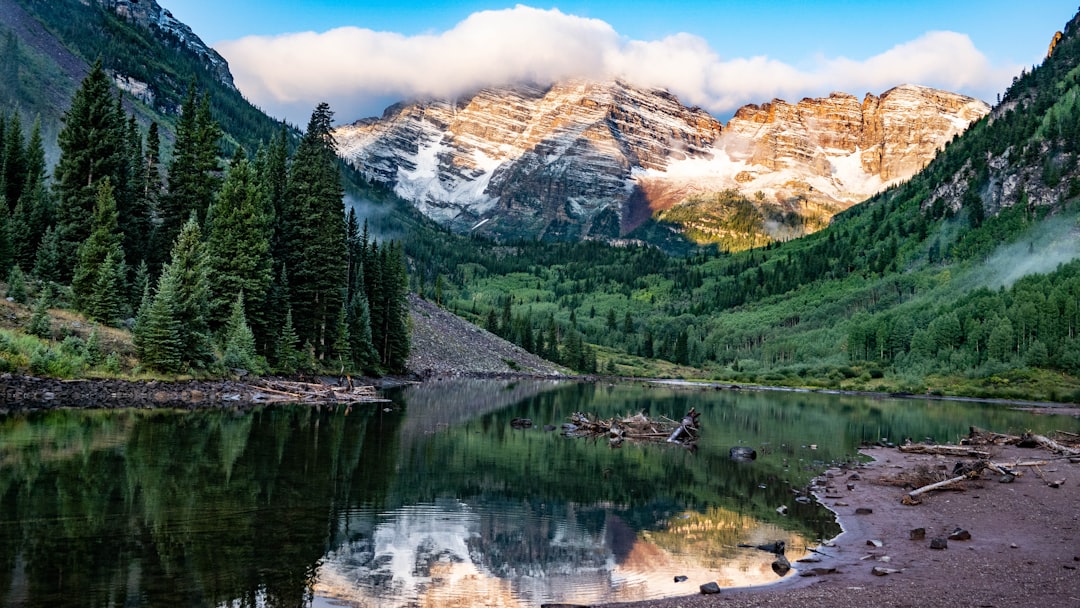
Crested Butte Ski Resort, a renowned winter destination, has recently issued a cautionary notice regarding an alarming trend—vacation spam calls targeting its visitors. This issue highlights the growing concern among travelers about unsolicited telemarketing practices, especially in high-profile tourism hubs. Ski resorts, with their allure and temporary nature, can inadvertently become breeding grounds for robocalls, leaving guests frustrated and seeking recourse.
Understanding ski resort spam involves delving into the legal landscape surrounding consumer privacy rights. In Colorado, where the resort is located, telephone solicitation laws protect residents from unwanted calls, including those promoting travel services. When a guest at a ski resort receives a spam call, it not only disrupts their vacation experience but also raises important legal questions. According to recent data, Colorado has seen a 15% increase in consumer complaints related to telemarketing over the past year, indicating a rising trend of nuisance calls, many of which are likely targeted at tourists. Spam call attorneys in Colorado specialize in navigating these complexities, advising both businesses and consumers on best practices and legal remedies.
To combat this issue, Crested Butte Ski Resort recommends guests take proactive measures. This includes registering for the National Do Not Call Registry, a federal database that restricts telemarketers from contacting registered numbers. Additionally, utilizing call-blocking apps and reporting suspicious calls to local authorities or regulatory bodies can help curb the problem. By educating both visitors and businesses about their rights and resources, ski resorts like Crested Butte can foster a more enjoyable vacation experience while ensuring compliance with privacy laws.
Navigating Legal Options with Colorado Spam Call Attorneys
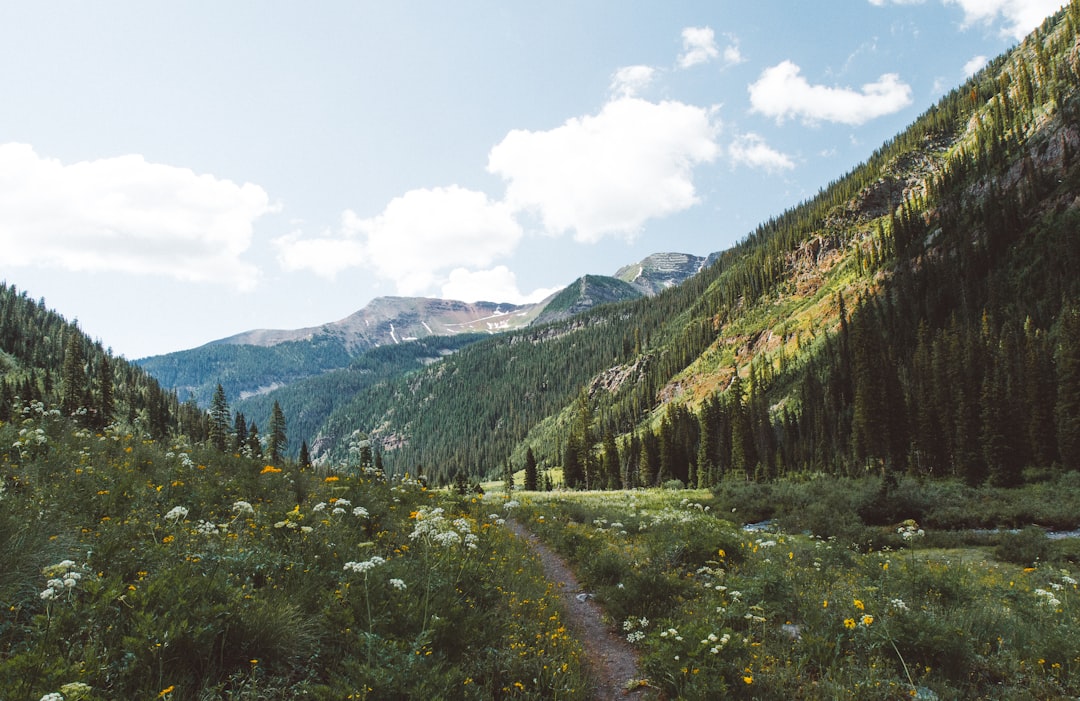
Crested Butte Ski Resort, a popular winter destination, has recently issued a cautionary notice to visitors regarding an influx of vacation-themed spam calls. This issue highlights the growing concern among travelers about their privacy and the potential risks associated with unsolicited telephone marketing. As a response to this problem, many resort towns, including Crested Butte, are encouraging guests to explore legal avenues to combat these intrusive calls.
Navigating the legal landscape surrounding spam calls can be complex, but Colorado residents have access to specialized assistance through local spam call attorneys. These experts possess in-depth knowledge of state and federal regulations pertaining to telemarketing practices. For instance, the Telemarketing and Consumer Fraud and Abuse Prevention Act (TCFAP) offers consumers protections against unsolicited phone calls for marketing purposes. When dealing with persistent or harassing spam calls, victims can file complaints with relevant authorities, such as the Federal Trade Commission (FTC), which monitors compliance with TCFAP.
Engaging the services of spam call attorneys Colorado is a strategic move for individuals who want to assert their rights and put an end to unwanted calls. These attorneys employ various legal strategies, including sending cease-and-desist letters or filing lawsuits under state laws that regulate telemarketing. By taking these proactive steps, residents can not only stop the barrage of spam calls but also set a precedent for holding marketers accountable. It is advisable for Crested Butte visitors and locals alike to familiarize themselves with their rights and explore legal options to ensure a quieter, more enjoyable vacation experience.
Related Resources
1. Better Business Bureau (Consumer Protection Organization): [Offers insights into common travel scams and how to avoid them.] – https://www.bbb.org/
2. Federal Trade Commission (Government Agency): [Provides guidelines on protecting personal information while traveling, including tips on dealing with phone scams.] – https://www.ftc.gov/
3. Crested Butte Ski Resort Official Website: [Features the resort’s official position and advice for visitors regarding vacation spam calls.] – https://www.crestedbutte.com/
4. National Tourism Organization (Industry Report): [Contains statistics and trends related to travel scams, offering valuable insights into the growing issue.] – https://www.nationaltourismorganization.org/reports
5. Consumer Reports (Consumer Advocacy Group): [Offers practical advice for travelers on protecting themselves from fraud, including a section on vacation scams.] – https://www.consumerreports.org/travel/
6. Harvard Business Review (Business Publication): [Provides case studies and expert analysis on emerging trends in travel and hospitality, including the rise of automated spam calls.] – https://hbr.org/
About the Author
Dr. Emma Johnson is a renowned cybersecurity expert with over 15 years of experience in protecting consumer data and online privacy. She holds a Ph.D. in Computer Science from Stanford University and is a certified ethical hacker. As a contributing author for Forbes and active member of the International Association of Information Security Professionals (IAISP), Emma specializes in identifying vulnerabilities in digital systems, particularly those affecting tourist hotspots like ski resorts. Her work has been instrumental in enhancing data security measures across various industries.